

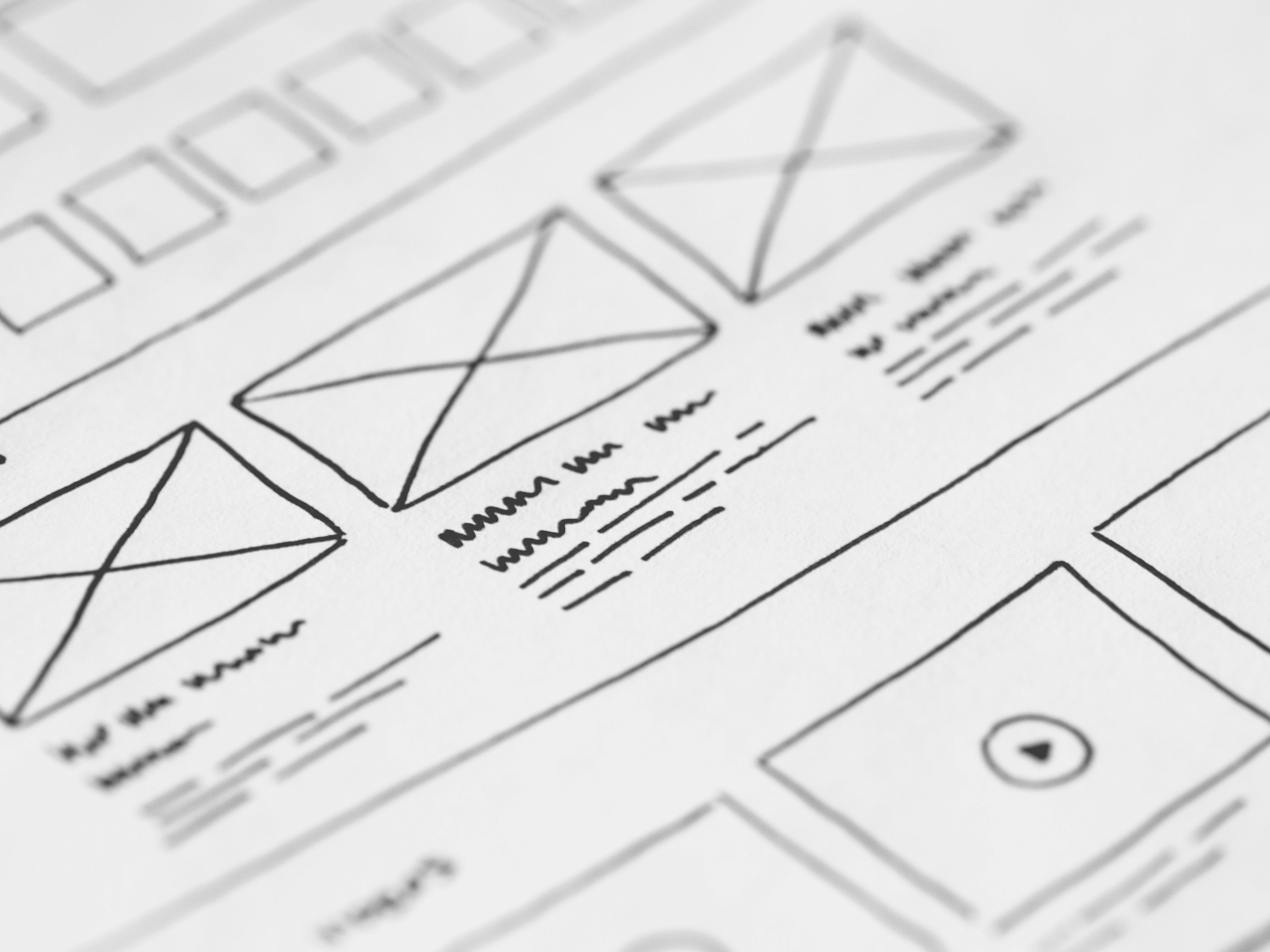
UX design is the practice of creating products that are useful, intuitive, and enjoyable to use. It focuses on understanding user needs, behaviors, and goals to build experiences that help people accomplish tasks efficiently while reducing friction and confusion.
In this article, we'll explore what UX design is, how it differs from UI design, and the key elements that shape a great user experience. We'll also look at how UX agencies work, why user research matters, and how businesses can measure the impact of UX design on product performance and growth.

What is UX design and why does it matter?
Have you ever visited a website or opened an app and immediately felt lost? When users struggle to find information, complete tasks, or understand how a product works, the experience quickly becomes frustrating. UX design exists to solve these problems by creating products that feel natural, efficient, and easy to navigate.
User experience (UX) design is the process of designing digital and physical products that meet user needs while supporting business goals. It combines research, strategy, psychology, problem-solving, and design to create experiences that users can understand and enjoy. Rather than focusing solely on how a product looks, UX design focuses on how a product works.
The core elements of UX design
Successful user experiences are built on several foundational disciplines that work together to create intuitive products.
Usability
Usability ensures users can accomplish tasks efficiently and without confusion. This includes clear navigation, consistency, accessibility, feedback, error prevention, and efficient workflows.
User Research
Research helps teams understand user needs, motivations, behaviors, and pain points. Through interviews, surveys, usability testing, persona development, and journey mapping, designers can make informed decisions based on real user insights.
Visual Design
Visual design shapes the look and feel of a product. It establishes the product's personality through typography, color systems, imagery, spacing, and overall visual hierarchy.
Information Architecture
Information architecture focuses on organizing content and features in a way that makes navigation intuitive. This includes sitemaps, navigation structures, content hierarchies, and user flows.
Interaction Design
Interaction design defines how users interact with a product, including buttons, forms, animations, feedback mechanisms, and microinteractions that guide users through tasks.
Key principles of effective UX design
Prioritize user needs throughout the design process.
Conduct research before making design decisions.
Simplify navigation and reduce cognitive load.
Test designs regularly with real users.
Maintain consistency across screens and interactions.
Measure outcomes using usability and business metrics.
How UX design creates business value
UX design is more than a design discipline—it's a business investment. Well-designed products can increase conversion rates, improve customer satisfaction, boost retention, reduce support costs, and create stronger customer loyalty. By combining user research, strategic thinking, and continuous testing, UX design helps organizations build products that not only look great but also deliver meaningful results for both users and businesses.
UX design is the practice of creating products that are useful, intuitive, and enjoyable to use. It focuses on understanding user needs, behaviors, and goals to build experiences that help people accomplish tasks efficiently while reducing friction and confusion.
In this article, we'll explore what UX design is, how it differs from UI design, and the key elements that shape a great user experience. We'll also look at how UX agencies work, why user research matters, and how businesses can measure the impact of UX design on product performance and growth.
What is UX design and why does it matter?
Have you ever visited a website or opened an app and immediately felt lost? When users struggle to find information, complete tasks, or understand how a product works, the experience quickly becomes frustrating. UX design exists to solve these problems by creating products that feel natural, efficient, and easy to navigate.
User experience (UX) design is the process of designing digital and physical products that meet user needs while supporting business goals. It combines research, strategy, psychology, problem-solving, and design to create experiences that users can understand and enjoy. Rather than focusing solely on how a product looks, UX design focuses on how a product works.
The core elements of UX design
Successful user experiences are built on several foundational disciplines that work together to create intuitive products.
Usability
Usability ensures users can accomplish tasks efficiently and without confusion. This includes clear navigation, consistency, accessibility, feedback, error prevention, and efficient workflows.
User Research
Research helps teams understand user needs, motivations, behaviors, and pain points. Through interviews, surveys, usability testing, persona development, and journey mapping, designers can make informed decisions based on real user insights.
Visual Design
Visual design shapes the look and feel of a product. It establishes the product's personality through typography, color systems, imagery, spacing, and overall visual hierarchy.
Information Architecture
Information architecture focuses on organizing content and features in a way that makes navigation intuitive. This includes sitemaps, navigation structures, content hierarchies, and user flows.
Interaction Design
Interaction design defines how users interact with a product, including buttons, forms, animations, feedback mechanisms, and microinteractions that guide users through tasks.
Key principles of effective UX design
Prioritize user needs throughout the design process.
Conduct research before making design decisions.
Simplify navigation and reduce cognitive load.
Test designs regularly with real users.
Maintain consistency across screens and interactions.
Measure outcomes using usability and business metrics.
How UX design creates business value
UX design is more than a design discipline—it's a business investment. Well-designed products can increase conversion rates, improve customer satisfaction, boost retention, reduce support costs, and create stronger customer loyalty. By combining user research, strategic thinking, and continuous testing, UX design helps organizations build products that not only look great but also deliver meaningful results for both users and businesses.